

Vitiligo Camouflage Tattoo
Vitiligo camouflage tattoo is a specialized cosmetic technique designed to reduce the visual contrast between depigmented areas and surrounding skin. Rather than creating decorative designs, this approach focuses on natural-looking pigmentation that blends vitiligo-affected skin with the individual’s natural tone. As explained on Microgharb, this method is increasingly considered by people seeking long-term aesthetic balance without daily makeup or temporary camouflage solutions.

What Is Vitiligo Tattoo
What is vitiligo tattoo and how does it differ from traditional tattooing? Vitiligo tattooing is a form of medical or cosmetic pigmentation where carefully selected pigments are implanted into depigmented skin. The goal is not artistic expression, but visual harmony. This technique requires a deep understanding of skin behavior, pigment interaction, and long-term color stability.
Unlike standard tattoos that penetrate deeper layers of the skin and use bold pigments, vitiligo tattooing works on a more superficial level and uses customized color blends. These pigments are designed to soften the contrast caused by vitiligo rather than completely altering the skin’s natural appearance. This distinction is critical for achieving subtle, realistic results.
Vitiligo Camouflage Tattoo Treatment
The vitiligo camouflage tattoo treatment is a structured process that prioritizes skin safety, gradual color build-up, and natural integration. Each stage plays an important role in ensuring the skin responds well and the results remain visually consistent.
- Initial consultation and evaluation: The treatment begins with an assessment of the vitiligo patches, including their size, location, and stability. This step helps determine whether the skin is suitable for pigmentation and sets realistic expectations.
- Customized pigment formulation: Pigments are mixed specifically for the individual’s skin tone. Because skin color can vary across different body areas, multiple pigment shades may be prepared to ensure accurate blending.
- Gradual pigmentation sessions: Instead of completing coverage in one session, pigment is applied gradually over multiple visits. This reduces skin stress and allows for fine adjustments as the skin heals.
- Post-treatment care and monitoring: After each session, proper aftercare is essential. Monitoring skin response ensures that pigmentation settles evenly and minimizes the risk of irritation.
Vitiligo Camouflage Tattoo Technique
The vitiligo camouflage tattoo technique relies heavily on precision, experience, and understanding of pigment behavior over time. This is not a one-size-fits-all method and must be adapted to each individual’s skin characteristics.
- Layered pigment application: Pigment is deposited in thin layers to avoid unnatural saturation. This layering technique helps achieve depth and realism.
- Micro-needling precision: Specialized tools are used to control penetration depth, ensuring pigment remains stable without causing unnecessary trauma.
- Color correction strategy: As pigments heal and oxidize, slight color shifts may occur. Skilled technique anticipates these changes and compensates accordingly.
- Blending edges naturally: Special attention is given to the borders of vitiligo patches so transitions between pigmented and natural skin appear seamless.
How Vitiligo Camouflage Tattoo Works
How vitiligo camouflage tattoo works depends on the interaction between pigment, skin type, and healing behavior. Once pigment is implanted, the body naturally encapsulates it within the skin layers. Over time, this creates a stable visual tone that mimics surrounding pigmentation.
Because vitiligo skin lacks melanin, the tattoo pigment acts as a visual substitute rather than a biological replacement. This is why the technique focuses on optical blending rather than complete color replication. Periodic touch-ups may be required as pigments fade gradually due to skin regeneration and environmental exposure.
Vitiligo Camouflage Pigmentation
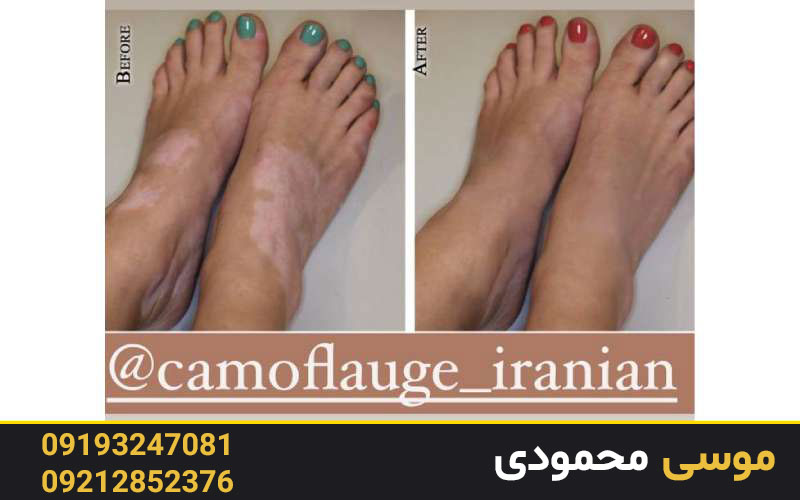
Vitiligo camouflage pigmentation is best suited for stable vitiligo, where patches are not actively spreading. Stability allows the pigment to remain effective without frequent adjustments. Pigmentation is particularly popular for visible areas such as the face, hands, and neck.
Results vary depending on skin tone, lifestyle, and aftercare practices. While pigmentation does not stop vitiligo progression, it can significantly reduce visual contrast and improve overall skin appearance when applied correctly.
Vitiligo Tattoo Cost
Vitiligo tattoo cost can vary widely depending on several factors. Unlike standard tattoos, camouflage pigmentation is a customized medical-aesthetic procedure, which influences pricing.
- Size of the treated area: Larger or multiple areas require more time, pigment, and sessions.
- Number of sessions needed: Gradual layering often means multiple appointments, which affects total cost.
- Skin complexity: Areas with uneven tone or sensitive skin may require advanced techniques and longer treatment plans.
- Maintenance and touch-ups: Long-term upkeep should be considered as part of overall cost planning.
Understanding the full scope of vitiligo tattooing helps individuals make informed decisions based on expectations, budget, and long-term goals.
For more detailed educational resources about vitiligo camouflage tattoo, pigmentation techniques, and treatment considerations, visit Microgharb.